


MERIDIAN, Idaho : Local prosecutors have opened an unusually specific criminal case after concluding that a backyard beekeeper may have become an unwitting accomplice to unlawful drug cultivation when his bees allegedly flew across town and pollinated a neighbor’s illegal cannabis plants.
The dispute, which has unsettled otherwise ordinary subdivisions throughout Ada County, centers on 44-year-old Arthur Pendelton, a hobby beekeeper of four years. According to charging documents reviewed Tuesday, Pendelton’s colony of approximately 45,000 Italian honeybees is believed to have traveled several miles from his residential hives to a concealed grow operation on the opposite side of Meridian.
The second defendant, 51-year-old software consultant Gregory Vance, does not live next door to Pendelton at all, but across town near a commercial irrigation corridor where investigators say he maintained an unlawful cannabis patch behind a detached workshop. Authorities now argue that because Pendelton’s bees contributed pollination activity to the plants, the beekeeper shares legal responsibility for the resulting cultivation offense, despite there being no evidence he knew Vance, visited the property, or had ever seen the plants.
“This is not a neighbor dispute in the traditional sense,” Vance stated outside the Ada County courthouse, where he appeared visibly annoyed to be described as part of a two-man agricultural conspiracy. “I live miles away. I have never borrowed sugar from this man. Yet somehow his bees allegedly crossed Meridian like tiny freelance subcontractors and turned me into a joint venture.”
Meridian Bee Pollination Case Draws Criminal Charges
In the realm of local criminal enforcement and agricultural absurdity, few cases have fused pollination biology with prosecutorial confidence quite like the Meridian cannabis case. Pendelton, speaking through legal counsel on Wednesday afternoon, denied that he knowingly assisted any illegal grow operation and maintained that his bees were engaged in standard seasonal foraging.
“My bees are peaceful, tax-paying members of the insect community,” Pendelton said in a prepared statement. “If the State of Idaho intends to argue that a honeybee can create criminal liability by making a few unauthorized career choices several miles from its box, then every clover field in Ada County may soon require representation. We do not control flight paths. We make honey and mind our business, often unsuccessfully.”

Local beekeeping groups and regional agricultural observers have weighed in on the case, noting that bees can cover significant distances when forage conditions shift, though few expected that fact to be entered into evidence in a drug prosecution. Independent observers also noted that while insect movement is normal, charging a beekeeper as an accomplice because his bees allegedly contributed botanical labor to a remote cannabis grow represents a creative reading of criminal participation.
Similar local disputes have previously tested the limits of official reasoning. For instance, recent investigations into unconventional urban infrastructure, such as the infamous Fudget Airlines vertical stacking human density efficiency study, highlight how modern communities continue to struggle with shared airspace, personal responsibility, and the possibility that no one involved fully understands what the bees are doing.
Prosecutors Examine Long-Distance Bee Flights in Meridian
As the case escalated throughout the week, county investigators and local police examined Pendelton’s backyard hives for any indication that he had intentionally directed bee activity toward the illegal grow site. Armed with collection jars, route maps, and standard clipboard documentation, inspectors searched for evidence of managed pollination patterns, transport assistance, or any sign that the insects had been deployed with criminal purpose.

“We conducted a thorough audit of Hive Alpha and Hive Beta,” reported deputy agricultural investigator Lenora Kitts. “We found zero evidence that Mr. Pendelton instructed bees to commit felonies. We did, however, find a remarkable amount of sticky propolis and a queen with an openly difficult management style. The legal issue, as prosecutors describe it, is not whether the bees intended to pollinate cannabis. It is whether the beekeeper is responsible when they allegedly do so on behalf of someone else, without filing so much as a courtesy memo.”
Despite the lack of evidence showing any direct coordination between the two defendants, prosecutors maintain that the pollination itself materially assisted an unlawful cultivation enterprise. Legal specialists in agricultural liability say the theory is unusual, largely because it treats unsupervised insects as a kind of airborne labor force whose output may now be attributed to whoever bought the hive equipment.
“People laugh when I say I’m being prosecuted by geography and bee enthusiasm,” Pendelton said after the hearing. “They treat it like a joke, but at the moment, the State of Idaho appears to believe my bees have side hustles.”
Broader Questions for Idaho Beekeepers and Criminal Liability
The case has triggered debate across Idaho regarding the legal exposure of backyard beekeepers when insects travel beyond property lines and interact with unlawful crops. In a state where recreational cannabis remains illegal, local officials are now being asked whether ordinary hive ownership can create criminal risk when bees wander into someone else’s prohibited agricultural project several miles away.
Agricultural extension specialists note that cannabis pollination is not typically the central mission of honeybees, and that insect involvement with the crop is often incidental rather than strategic. Nevertheless, local commentary has seized on the case, transforming what might otherwise have been a straightforward illegal grow prosecution into a broader legal question about whether a beekeeper can become an accomplice through long-distance pollination performed by employees who cannot be cross-examined.
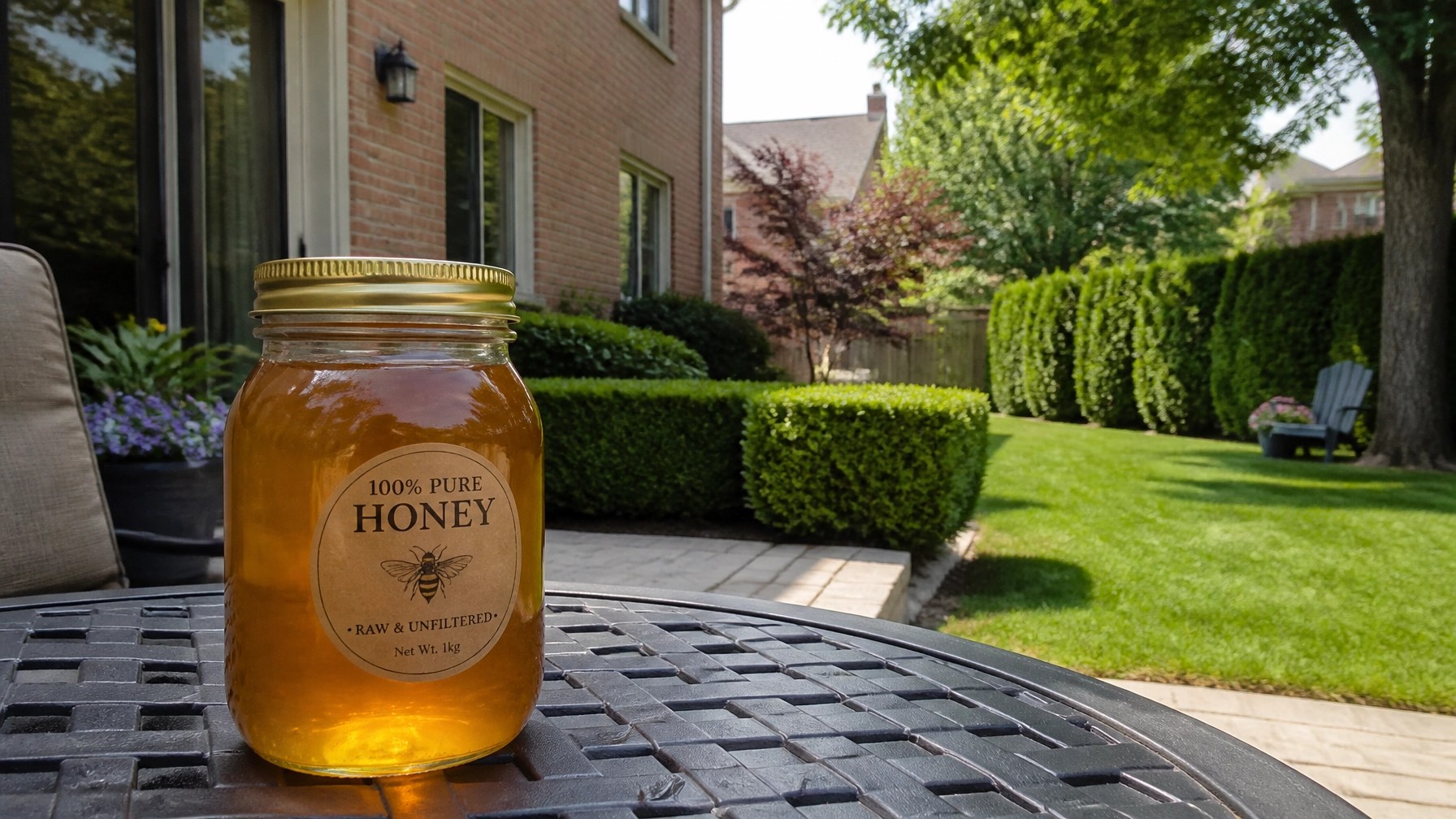
Pendelton, meanwhile, has proposed a practical compromise while maintaining his innocence. He suggested expanding designated forage areas closer to registered hives and urged officials to avoid building criminal cases around insects with no fixed mailing address.
Whether that argument will persuade the court remains to be seen. As local observers note, honeybees continue to operate under their own strict hierarchy of priorities: one that appears largely indifferent to Idaho criminal statutes, cross-town property disputes, and prosecutorial theories ambitious enough to place pollination on the docket.


Leave a Reply